NAD+ · April 25, 2026
NAD+ supplements vs NAD+ IV therapy: What gets into your cells and what doesn't
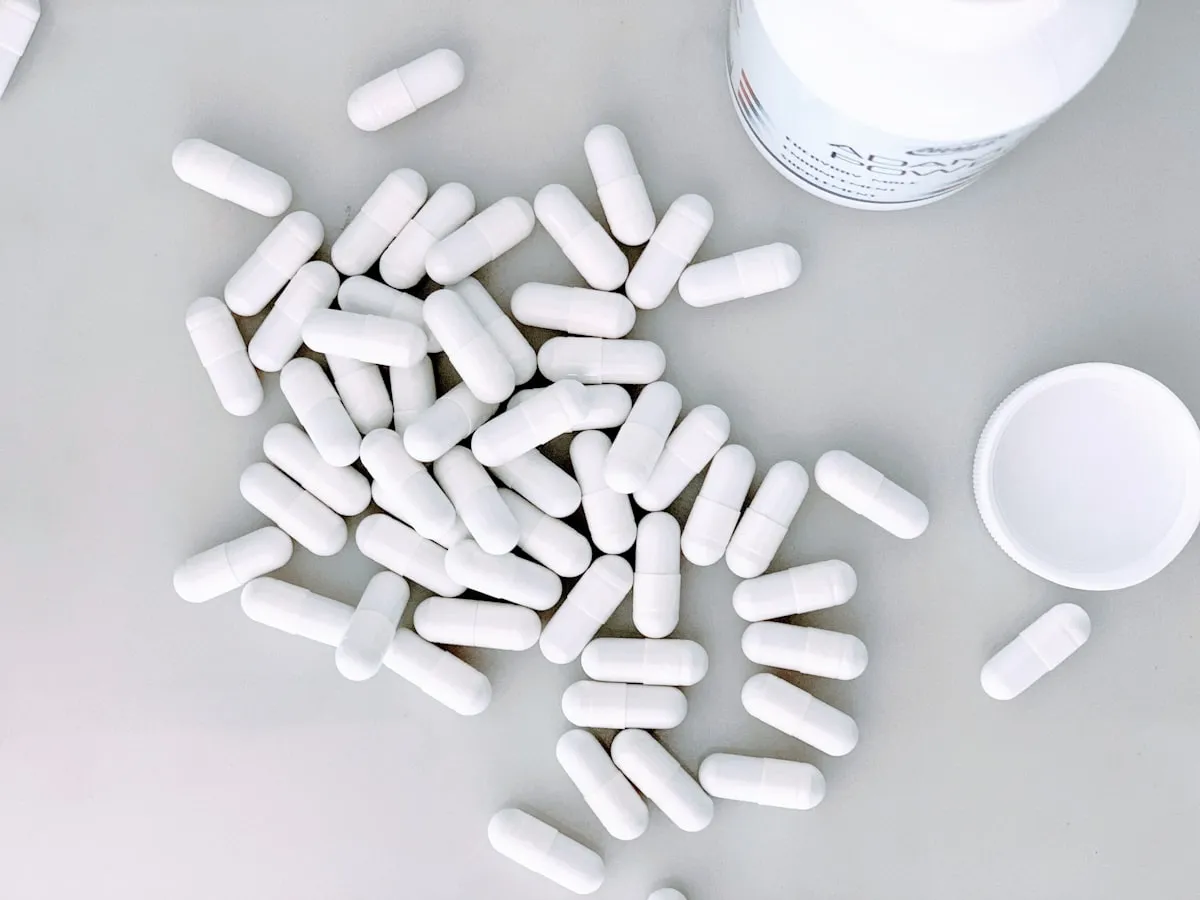
The Bioavailability Problem Nobody Talks About
NAD+ supplements are everywhere. Tru Niagen sits next to Elysium Basis on the shelves of every LA wellness boutique, and the market for NR and NMN products has exploded into a billion-dollar category. The promise is compelling: take a capsule daily, raise your NAD+ levels, slow cellular aging.
The question worth asking before you spend $60 a month on pills is how much of what you swallow reaches your cells. The answer depends on which delivery method you’re using and what your body does with it along the way.
This article breaks down how NAD+ supplements and NAD+ IV therapy differ in bioavailability, speed, cost, and appropriate use cases. Both have a place. The right choice depends on what you’re trying to accomplish.
For a broader overview of NAD+ and how it functions in the body, read the NAD+ Complete Guide.
How NAD+ Supplements Work
Your body cannot absorb NAD+ directly from a capsule. The molecule is too large to cross the intestinal wall intact, so supplement manufacturers use precursors: compounds the body converts into NAD+ through a metabolic pathway.
The two most researched precursors are nicotinamide riboside (NR) and nicotinamide mononucleotide (NMN). NR is the active ingredient in Tru Niagen. Elysium Basis combines NR with pterostilbene. NMN products have proliferated since 2021 and include brands like Wonderfeel and ProHealth.
NR (Nicotinamide Riboside)
NR enters intestinal cells and gets phosphorylated into NMN, then converted to NAD+. Some NR also enters the bloodstream intact and undergoes conversion in peripheral tissues. Human clinical trials, including work by Brenner and others at the University of Iowa, show that oral NR does raise blood NAD+ levels. The increases are measurable, though the magnitude varies across individuals.
NMN (Nicotinamide Mononucleotide)
NMN sits one metabolic step closer to NAD+ than NR. Research published in Nature Metabolism by Yoshino et al. demonstrated that NMN supplementation improved insulin sensitivity in postmenopausal women with prediabetes. A 2022 human trial published in GeroScience showed oral NMN raised NAD+ in skeletal muscle. The data is promising but younger than the NR research base.
The First-Pass Effect
Oral supplements face a fundamental pharmacokinetic obstacle. Before any compound reaches systemic circulation, the liver processes it. This first-pass metabolism degrades a portion of the dose, meaning the NAD+ precursor that enters your mouth and the amount that reaches your tissues are not the same number.
Bioavailability estimates for oral NR and NMN hover in ranges that researchers continue to debate. The practical effect is that you need higher oral doses to generate comparable tissue-level NAD+ increases to what IV delivery produces. Some manufacturers have experimented with sublingual and liposomal formats to reduce first-pass losses, with mixed results in the literature.
Supplements also take time to work. Consistent daily use over weeks builds NAD+ levels gradually. For someone managing a chronic low-grade energy deficit or looking for preventive maintenance, that timeline may be acceptable. For someone with an acute need, it often is not.
How NAD+ IV Therapy Works
NAD+ IV therapy delivers the molecule directly into your bloodstream, bypassing the digestive system and the liver’s first-pass processing entirely. Bioavailability is 100% by definition: what goes into the IV line enters circulation.
At Instadrip, an NAD+ IV therapy session starts with a licensed registered nurse placing an IV line. The NAD+ infuses over two to four hours depending on dose. NAD+ 500mg is $699 and NAD+ 1000mg is $1,200. As an add-on to other drips, NAD+ comes in 100mg, 250mg and 500mg.
What Happens During the Infusion
NAD+ infuses slowly because rapid administration can cause chest tightness, nausea, or flushing. Your nurse adjusts the drip rate based on how you feel. Most clients experience these sensations as mild and transient. Slowing the drip typically resolves discomfort within a few minutes.
As NAD+ enters circulation, tissues with high metabolic demand begin taking it up.
Speed of Effect
The difference between IV and oral supplementation in speed is pronounced. Oral NR or NMN requires days to weeks of consistent use before tissue NAD+ levels rise to a level most people notice. IV delivery saturates the bloodstream within the session.
Dosing Precision
IV therapy allows precise dosing. You know exactly how much NAD+ entered your body. With oral supplements, absorption variability between individuals, gut health factors, and formulation differences make the actual dose reaching your tissues difficult to predict. For high-performance or therapeutic applications, that precision matters.
For location-specific information about sessions in West Hollywood, see NAD+ IV in West Hollywood.
Head-to-Head Comparison
The table below covers the factors most people care about when deciding between oral supplements and IV therapy.
| Factor | NAD+ Supplements (NR/NMN) | NAD+ IV Therapy |
|---|---|---|
| Bioavailability | Partial. First-pass liver metabolism reduces systemic delivery. Exact percentage varies by formulation and individual. | 100%. Direct bloodstream delivery bypasses the digestive system. |
| Speed of effect | Weeks of consistent daily use for noticeable changes in most people. | NAD+ enters the bloodstream during the session itself. |
| Cost per month | $40-$100/month for quality NR or NMN products. Lower barrier to start. | $699 per session. Most clients book monthly or quarterly. Higher upfront cost. |
| Convenience | High. One capsule daily. No appointment required. | Moderate. Two to four hour session. Instadrip comes to you anywhere in LA, which reduces friction significantly. |
| Dosing precision | Low. Gut absorption variability makes actual tissue delivery unpredictable. | High. You know exactly how much entered circulation. |
| Research backing | Growing. Multiple human trials show blood NAD+ increases. Long-term outcome data is still limited. | Direct infusion of NAD+ is well-understood pharmacokinetically. Clinical application is less studied than oral supplements due to cost and logistics of conducting trials. |
| Side effects | Generally mild. Occasional GI upset, particularly at higher doses. Some people report flushing with NR. | Chest tightness, nausea, or flushing possible during infusion. Resolved by slowing the drip rate. Administered by a licensed RN. |
| Gut health dependency | Yes. Compromised gut lining, dysbiosis, or malabsorption reduces effectiveness. | None. Delivery bypasses the GI tract entirely. |
The honest summary: Supplements win on cost and convenience. IV therapy wins on bioavailability, speed, and precision. Neither is fraudulent. Both produce measurable NAD+ increases by different mechanisms and on different timelines.
For a broader look at how IV delivery compares to oral formats across nutrients, see IV Therapy vs Oral Supplements.
When to Choose NAD+ Supplements
Oral NAD+ supplements make sense for daily maintenance at a sustainable cost. If you’re in your 30s or 40s, generally healthy, and want to support cellular energy and NAD+ levels as a preventive measure, NR or NMN capsules are a reasonable starting point.
Budget matters. Quality NR products from Tru Niagen or ChromaDex cost $50-$80 per month. A monthly NAD+ IV session costs $699. For someone without a specific reason to book, the incremental improvement from IV over oral supplementation may not justify the price difference.
Supplements also suit people who prefer gradual, cumulative approaches to wellness rather than high-dose acute interventions. Research suggests consistent daily supplementation raises NAD+ levels in blood over time. For people who find slow-build protocols comfortable and manageable, supplements fit that preference.
If you have strong gut health and good absorption, the first-pass penalty on oral supplements is lower. Some people are efficient converters of NR or NMN to NAD+ and see strong results from capsules alone.
Consider supplements as your daily foundation. They support baseline NAD+ maintenance without requiring you to set aside time for a clinical session.
When to Choose NAD+ IV Therapy
IV therapy serves different goals than daily supplementation. The scenarios below are where the bioavailability and speed advantage of IV delivery becomes meaningful.
A demanding stretch at work. Some clients book an NAD+ session ahead of, or after, a long, demanding period. For more on brain fog and its causes, read the Brain Fog article.
Post-illness or post-travel recovery. Long-haul travel, jet lag, and illness deplete cellular energy reserves. Instadrip clients frequently book NAD+ IV sessions the day before or after major events, international flights, or demanding work periods.
A regular wellness routine. NAD+ declines with age. Some clients book a monthly NAD+ session alongside their other habits.
Athletic performance and recovery. Los Angeles athletes, trainers, and competitors book NAD+ IV sessions around demanding training blocks.
When gut health is compromised. If you have IBS, Crohn’s disease, celiac disease, or dysbiosis, oral supplement bioavailability drops further. IV bypasses the gut entirely, making it more reliable for people with absorption issues.
Wondering if the cost makes sense for your situation? Read Is IV Therapy Worth It?
Can You Combine NAD+ Supplements and IV Therapy?
Many LA wellness clients use both. The approaches are not mutually exclusive and address different needs on different timescales.
A common pattern: daily NR or NMN supplementation for baseline maintenance, with a monthly or quarterly NAD+ IV session for a higher-dose reset. The supplements keep NAD+ levels from dropping between sessions. The IV infusion provides a periodic high-dose elevation that capsules cannot match.
Some practitioners suggest timing oral supplements to support NAD+ levels in the days following an IV session, extending the effects of the infusion. The research on this specific protocol is limited, but the logic is sound pharmacologically.
If you’re new to NAD+ and working within a budget, starting with supplements to assess your individual response before investing in IV therapy is a reasonable sequence. If you’ve been supplementing for months without the results you expected, IV therapy lets you bypass the absorption variable and establish a clearer baseline.
Frequently Asked Questions
Is oral NAD+ bioavailability a problem, or do supplements work fine for most people?
Oral NR and NMN do raise blood NAD+ levels in clinical studies. The first-pass effect reduces the total dose reaching tissues compared to IV delivery, but it does not make supplements ineffective. For general wellness and preventive use, supplements produce measurable results in most people. The gap becomes more significant when someone needs high-dose, fast-acting NAD+ delivery rather than gradual accumulation.
How much NAD+ do I get in an IV session compared to a daily supplement?
A standard Instadrip NAD+ IV session is 500mg or 1000mg, delivered directly; as an add-on to other drips, NAD+ comes in 100mg, 250mg or 500mg. Typical oral NR/NMN doses range from 250mg to 500mg per day, but bioavailability losses mean less of that reaches circulation. A single IV session at 500mg delivers more to your cells than 500mg oral, though the exact comparison depends on an individual’s gut absorption rate.
Why does NAD+ IV therapy take two to four hours?
Fast infusion of NAD+ causes transient side effects including chest tightness, nausea, and flushing. A slow drip rate allows the body to absorb NAD+ comfortably. Most people find the session relaxing once settled. Your nurse adjusts the rate throughout based on how you feel.
Do I need to stop taking supplements before an NAD+ IV session?
No. Continuing oral supplements around your IV session does not cause harm. Some clients take their NR or NMN the morning of their infusion. There is no evidence of interaction or negative stacking effect.
How often should I book NAD+ IV therapy?
Most Instadrip clients schedule monthly sessions for ongoing support. Before a demanding period, more frequent sessions over two to four weeks are common. Your nurse can help you determine a cadence that fits your goals.
Are there people who should not take NAD+ supplements or IV therapy?
People with certain cancers should discuss NAD+ supplementation with their oncologist, as NAD+ plays a role in cellular energy pathways that may affect tumor metabolism. Pregnant or breastfeeding individuals should consult their physician before any NAD+ protocol. IV therapy should always be administered by a licensed healthcare provider. Instadrip sessions are conducted by registered nurses.
Does NAD+ IV therapy feel different from taking supplements?
The experience is different: an IV session is two to four hours with a nurse, and some people feel flushing or chest tightness if the drip runs fast. Oral supplements build gradually. Instadrip does not promise a particular effect from either route.
What is the research status on NAD+ for aging and longevity?
Animal studies demonstrate significant lifespan and health span benefits from NAD+ restoration. Human clinical trials are earlier stage but show promising results in areas including muscle function, metabolic health, and cognitive markers. The research base for oral precursors is larger than for IV delivery specifically, largely because conducting randomized controlled trials on IV NAD+ is logistically difficult. The pharmacokinetic case for IV bioavailability is well established regardless of clinical trial volume.
Book a NAD+ IV Session in Los Angeles
Instadrip brings NAD+ IV therapy to you anywhere in Los Angeles. A licensed registered nurse arrives at your home, office, or hotel. Sessions take two to four hours and can be booked same day.
NAD+ IV sessions start at $699. NAD+ add-ons to other drips come in 100mg, 250mg and 500mg doses.
Find Instadrip on Google Maps for reviews and same-day booking. Call or text to check availability. If you’ve been supplementing without the results you expected, IV delivery removes the absorption variable.