IV Therapy Los Angeles · April 3, 2026
IV therapy vs oral supplements: Absorption, speed, cost, and which to choose
Medically reviewed by Dr. Fatima Hussein, MD
Written by Kyle Larson, RN, BSN
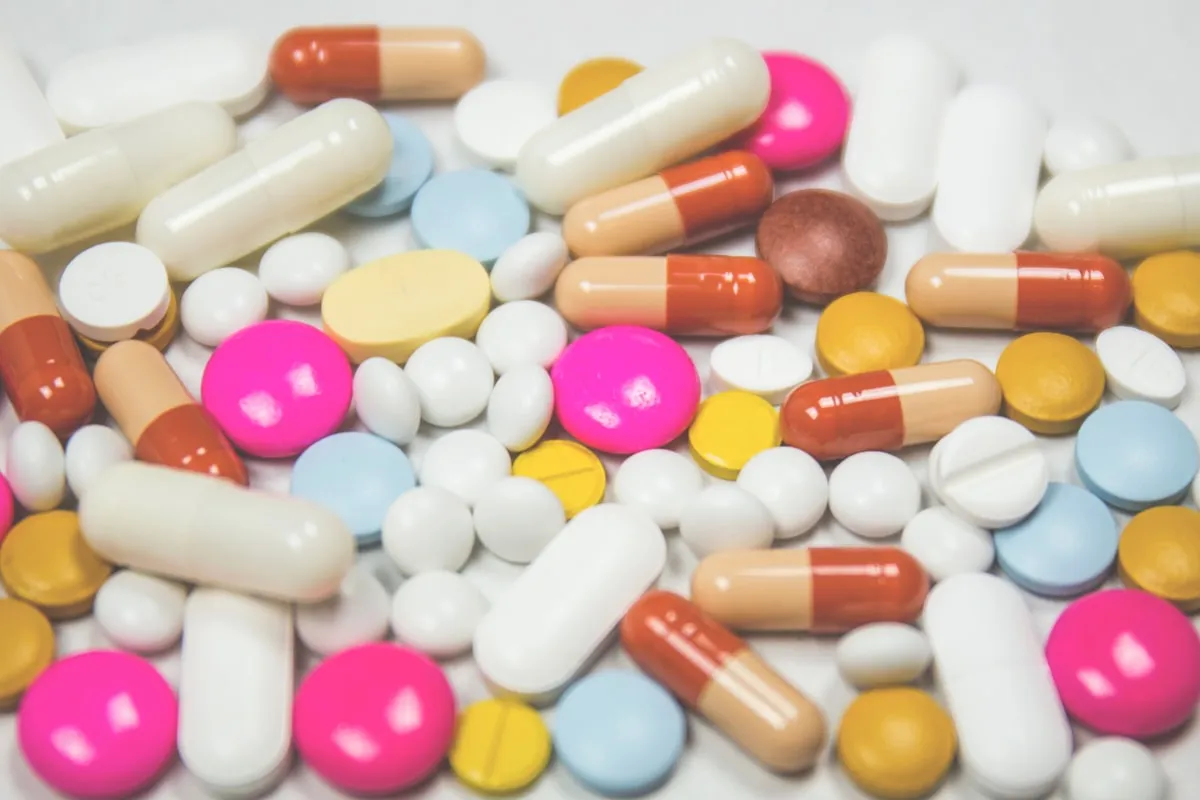
Vitamin C pills. B12 gummies. Magnesium capsules. Walk into any Whole Foods in Brentwood and you will find an entire aisle devoted to supplements promising better energy, clearer skin, and stronger immunity. These products sell billions of dollars each year for good reason: people want to feel better, and a daily pill feels like the easiest way to get there.
Then there is IV therapy. A licensed nurse arrives at your home, hotel room, or office. A small catheter goes in your arm. Vitamins, minerals, and fluids flow straight into your bloodstream. No digestion. No waiting. The process takes about 45 minutes.
Both approaches have a role. Oral supplements offer accessible daily maintenance. IV therapy offers speed and absorption that pills cannot match. The best choice depends on your goals, your budget, and how fast you need results.
This comparison lays out the facts so you can make a decision that fits your life.
How Oral Supplements Work
Oral supplements come in tablets, capsules, powders, gummies, and liquids. You swallow them. From there, the supplement travels through your digestive tract, gets broken down by stomach acid and enzymes, and passes through the intestinal wall into your bloodstream.
Before those nutrients reach general circulation, they pass through the liver. This process, called first-pass metabolism, filters out a significant portion of the active ingredient. The liver treats many supplemental vitamins the same way it treats food: it metabolizes them, stores some, and excretes the rest.
Absorption rates for oral supplements vary depending on the nutrient. Oral vitamin C absorption sits around 50% at a 200mg dose. Push that to 1,000mg and absorption drops to about 20%. Oral magnesium absorbs at roughly 20-50% depending on the form (magnesium citrate absorbs better than magnesium oxide). B vitamins hover around 30-50% absorption, and fat-soluble vitamins like D and K require dietary fat present in the gut to absorb well at all.
The Pros of Oral Supplements
Affordability. A month’s supply of a quality multivitamin runs $15-40. Individual supplements like vitamin D3 or B12 cost even less. For ongoing daily maintenance, the price per dose is hard to beat.
Convenience. Take them at your kitchen counter with a glass of water. No appointment needed. No needle. You can travel with them. They fit into a morning routine without disruption.
Accessibility. Available at pharmacies, grocery stores, and online. No prescription required for most vitamins and minerals.
The Cons of Oral Supplements
Low absorption. First-pass metabolism and digestive variables mean your body uses a fraction of what you swallow. GI conditions, medication interactions, and even the time of day you take a supplement affect how much gets into your blood.
GI side effects. Iron supplements cause constipation and nausea. Magnesium in high doses causes diarrhea. Vitamin C in large oral doses causes stomach cramps. These side effects limit how much you can take at once.
Slow onset. Most oral supplements take days or weeks of consistent use before you notice any change. You will not swallow a B-complex tablet and feel a difference 20 minutes later.
Compliance. Studies show supplement adherence drops below 50% after six months. Bottles pile up in the medicine cabinet. Life gets busy. People forget.
How IV Therapy Works
IV therapy delivers fluids, vitamins, minerals, and amino acids through a small catheter placed in a vein. The solution bypasses the entire digestive system, including the stomach, intestines, and liver. Nutrients enter the bloodstream.
A standard session with vitamin infusion therapy takes about 45 minutes. A registered nurse performs a brief health screening, selects the appropriate formulation, places the IV catheter, and monitors you throughout the infusion. You can sit on your couch, answer emails, or watch something while the drip runs.
The IV solution itself contains sterile saline (sodium chloride 0.9%) as its base. This provides direct hydration at a cellular level. On every drip except the Hydration IV, added to that base are vitamins and minerals mixed by a compounding pharmacy under strict regulatory standards.
Because the nutrients enter circulation directly, your body can use higher concentrations than the gut would ever permit. Oral vitamin C maxes out at blood serum levels around 200-250 micromol/L. Intravenous vitamin C can raise blood levels to 1,000-9,000 micromol/L depending on the dose. That difference matters for people seeking a therapeutic response.
The Pros of IV Therapy
full bioavailability. Every milligram enters your bloodstream. No digestive loss. No liver filtration. What is in the bag is what your cells receive.
Speed. Many clients report feeling a difference during the session itself. The full vitamin load reaches peak blood concentration before you stand up from the chair.
Customization. A skilled provider can tailor the formula to your needs. Add glutathione for antioxidant support. Add extra magnesium.
The Cons of IV Therapy
Cost. A single IV session costs more than a month of oral supplements. Instadrip’s Hydration IV starts at $299, with specialty formulations like the Myers Cocktail or Immune Boost at $349. It is an investment, not a dollar-store purchase.
Appointment required. You need to schedule a session. A nurse comes to you, but it still requires carving out about 45 minutes of your day.
Needles. Some people dislike needles. The catheter used for IV therapy is small (typically 20 or 22 gauge), but if needle anxiety is a barrier, that matters.
Head-to-Head Comparison: IV Therapy vs Oral Supplements
Here is how the two methods stack up across six key categories.
| Category | Oral Supplements | IV Therapy |
|---|---|---|
| Absorption Rate | 10-50% depending on nutrient and GI health | full bioavailability, direct to bloodstream |
| Speed of Effect | Days to weeks of consistent use | Minutes to hours; peak levels during session |
| Cost Per Use | $0.50-2.00 per day | $299-699 per session |
| Convenience | Take anywhere, anytime, no appointment | Requires a session of about 45 min with a nurse |
| Comfort | No needle; possible GI discomfort | Small needle; no GI side effects |
| Best For | Daily maintenance, mild deficiencies | Periodic sessions alongside daily supplements |
Absorption: The Defining Difference
Absorption is the factor that separates these two methods more than anything else. Your gut has a ceiling. The transporters lining your intestinal wall can only shuttle a limited number of molecules at a time. Flood them with a megadose tablet and most of it passes into the toilet.
IV therapy removes that ceiling. A 2,000mg dose of vitamin C given intravenously results in blood serum levels 6-7 times higher than the same dose taken orally. For glutathione, the difference is even more pronounced, because oral glutathione breaks down in the stomach before it can absorb.
Speed: Hours vs Weeks
If you are waking up dehydrated after a late night in West Hollywood, a glass of water and a multivitamin will help. Over several hours. An IV loaded with saline, B-complex, and anti-nausea medication can shift how you feel within the session itself. The fluids restore hydration at a rate the gut cannot match.
For someone building long-term vitamin D stores, though, speed does not matter as much. A daily 5,000 IU capsule taken with breakfast over two months will raise your levels. No IV needed for that particular goal.
Cost: Investment vs. Routine
Oral supplements win on price per dose. No debate. A bottle of magnesium glycinate lasts two months for $20. Even premium supplement brands run $50-80 per month for a complete stack.
IV therapy costs more per session, but the comparison is not one-to-one. A $349 Myers Cocktail delivers its full dose in about 45 minutes. To match those blood levels with oral supplements, you would need to take large quantities over weeks, and you still would not reach the same peak concentration.
Safety
Both are considered safe for most healthy adults. Oral supplements carry a risk of overconsumption over time, especially fat-soluble vitamins (A, D, E, K) that accumulate in tissue. IV therapy carries a small risk of bruising at the injection site or vein irritation. All Instadrip sessions are administered by licensed registered nurses, and every client completes a health intake before treatment begins.
When to Choose Oral Supplements
Oral supplements make sense as a daily foundation. If your goal is to fill a mild nutritional gap over time, a pill or capsule does the job.
Daily maintenance. A multivitamin, vitamin D3, and fish oil taken each morning provides a baseline of micronutrients. This covers the gaps in even a solid diet. Consistency over months produces measurable changes in blood levels.
Budget-conscious routines. Not everyone can afford regular IV sessions. A well-chosen supplement stack delivers real value at a fraction of the cost. Spending $30-60 per month on targeted supplements beats spending nothing.
Known mild deficiencies. A blood test shows your vitamin D is at 22 ng/mL (low but not severely deficient). Your doctor recommends 5,000 IU daily. An oral capsule is the right tool here. Affordable, effective, and you can track your levels over months.
Nutrients that absorb well orally. Vitamin D absorbs at roughly 80-90% when taken with fat. Fish oil capsules deliver omega-3s with good efficiency. Not all nutrients need IV delivery. Some work fine through the gut.
When to Choose IV Therapy
IV therapy makes the most sense when speed, absorption, and therapeutic dosing matter.
Acute dehydration and recovery. You spent all day on a hike in Griffith Park in August heat. Or you are recovering from a stomach virus that kept you from eating or drinking for 48 hours. Oral rehydration works, but a liter of IV saline restores fluid balance faster than sipping Pedialyte over six hours.
A demanding week. You have a presentation in Santa Monica tomorrow morning and you feel run down. Some people book an Immune Boost, which is vitamin C, zinc, B12 and B-complex in a full liter of saline.
Malabsorption conditions. People with Crohn’s disease, celiac disease, IBS, or a history of gastric bypass surgery often struggle to absorb oral supplements. IV delivery bypasses the gut, though anyone with one of these conditions should talk to their doctor first.
High-dose nutrient delivery. Certain formulas, like NAD+ IV therapy, cannot be replicated with oral supplements at the same blood concentration. NAD+ breaks down in the digestive tract. IV delivery is the only way to achieve therapeutic levels in circulation.
Periodic sessions. Some clients book a session every two to four weeks. About 45 minutes. No bottles to remember. Instadrip clients across Silver Lake, Beverly Hills, and the Westside use this approach alongside their daily supplement routine.
Can You Combine Both?
Yes. And for most people, a combination produces the best outcome.
Think of it in two layers. Oral supplements form the daily base. You take your vitamin D, your magnesium, your omega-3s. These run in the background every day, maintaining steady nutrient levels over time.
IV therapy is the periodic session. Once or twice a month, you schedule a session to deliver a concentrated dose of nutrients at full absorption.
A practical example: you take 2,000 IU of vitamin D and 400mg of magnesium glycinate every morning. Twice a month, you book a Beauty IV with added glutathione. The oral supplements hold the baseline.
Your Instadrip nurse can discuss which combination makes sense based on your goals. Every session includes a health intake conversation, so your treatment adapts to what your body needs that day.
Frequently Asked Questions
Is IV therapy better than oral supplements?
Neither is universally “better.” IV therapy delivers nutrients straight into your bloodstream, which makes it faster and suited to higher doses. Oral supplements are better for affordable daily maintenance. The right choice depends on your specific goals, timeline, and budget. Many people benefit from using both.
How much does IV therapy cost compared to supplements?
Oral supplements cost $0.50-2.00 per day, depending on the brand and the nutrients. Instadrip IV sessions start at $299 for the Hydration IV, with specialty treatments like the Myers Cocktail and Immune Boost at $349 each. NAD+ sessions are $699. Add-ons start at $40. The per-session cost is higher, but you receive the full dose in one visit, without the gut deciding how much gets through.
What is bioavailability and why does it matter?
Bioavailability measures the percentage of a nutrient that reaches your bloodstream and becomes available for your body to use. A supplement with 20% bioavailability means 80% of what you swallowed never reached your blood. IV therapy has full bioavailability because it bypasses digestion entirely. Higher bioavailability means your body gets more of what you paid for.
Are there side effects to IV therapy?
The most common side effects are minor: small bruising at the injection site, a cool sensation in the arm as the fluid enters the vein, and occasional lightheadedness if the drip runs fast. Serious complications are rare when treatments are administered by licensed medical professionals. All Instadrip sessions are run by registered nurses who monitor you throughout the infusion.
How often should I get IV therapy?
Most clients schedule sessions every two to four weeks for general wellness support. Some book weekly during high-stress periods, travel seasons, or recovery from illness. Your frequency depends on your health goals. A monthly session paired with daily oral supplements is a common approach among clients in Los Angeles.
Can IV therapy replace my daily vitamins?
IV therapy can deliver a concentrated nutrient load that oral vitamins cannot match in a single dose. However, the effects of a single session do not last 30 days for every nutrient. Water-soluble vitamins like B-complex and vitamin C leave your system within hours to days. Daily oral supplements maintain a steady baseline between sessions. Combining both gives you continuous support plus periodic high-dose delivery.
Do I need a prescription for IV therapy in California?
No prescription is needed for vitamin IV therapy in California. A licensed healthcare provider must oversee the treatment. At Instadrip, registered nurses administer every session, and a medical director provides clinical oversight. You complete a health intake form before your first treatment.
What nutrients work best through IV versus oral delivery?
Vitamin C, glutathione, NAD+, and B-complex vitamins show the biggest difference between IV and oral delivery. Oral glutathione degrades in stomach acid before absorption. IV delivery is the primary method to achieve therapeutic blood levels. Vitamin D and omega-3 fatty acids absorb well through oral delivery and do not require IV administration for most people.
Book Your IV Therapy Session in Los Angeles
Instadrip brings licensed registered nurses to your home, office, or hotel anywhere in Los Angeles. Same-day appointments are available seven days a week. Sessions start at $299 and add-ons start at $40.
Whether you want a standalone IV session or a plan that complements your current supplement routine, your nurse can help you build the right approach. Find Instadrip on Google Maps for reviews and same-day booking.